
Year in Photos - 15th Year Anniversary
As we reflect on our 15th Anniversary, this year has asked more of us than most. It has been a time of growth, pressure, and deep responsibility—one that called for clarity, care, and resolve.
The moments captured here were made possible by an extraordinary community. We are grateful to the photographers we partner with—artists who reflect the communities we serve and who share a deep commitment to our mission. Their work honors families with dignity and truth. We also thank our supporters, whose belief in this work makes these moments possible, and our staff, whose leadership and care carry the mission forward every day.
What follows comes from that collective effort—and from a year that created such beautiful moments while demanding so much.
1. NorthBay Education - Soaring Above
Photo by Oluwarotimi Ibidapo
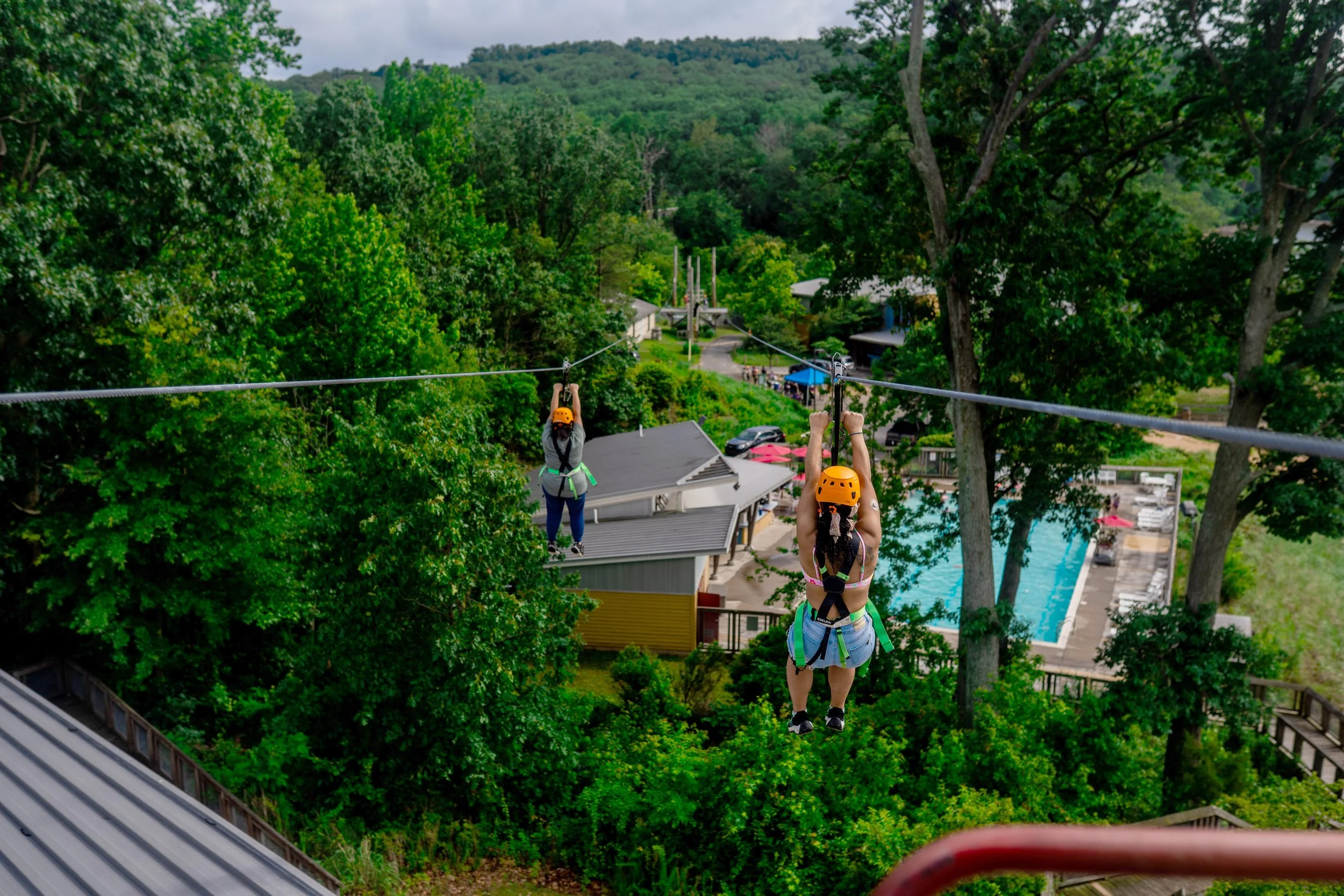
Our D.C. Scholars and their families gathered at NorthBay Education, a retreat center in Maryland for Pathways to Promise, a day of enrichment, adventure, and community. Time away from daily pressures created space for relationships, trust, and confidence to build. In this photo, two Generation Hope Scholars are ziplining high above the trees and in the background, you can see the group cheering from the ground. Our annual Pathways to Promise training and field trip includes coaching, mentoring and enrichment to help teen parents in the program on their path to graduation and economic mobility.
2. Important Firsts
Photo by Raphael Talisman
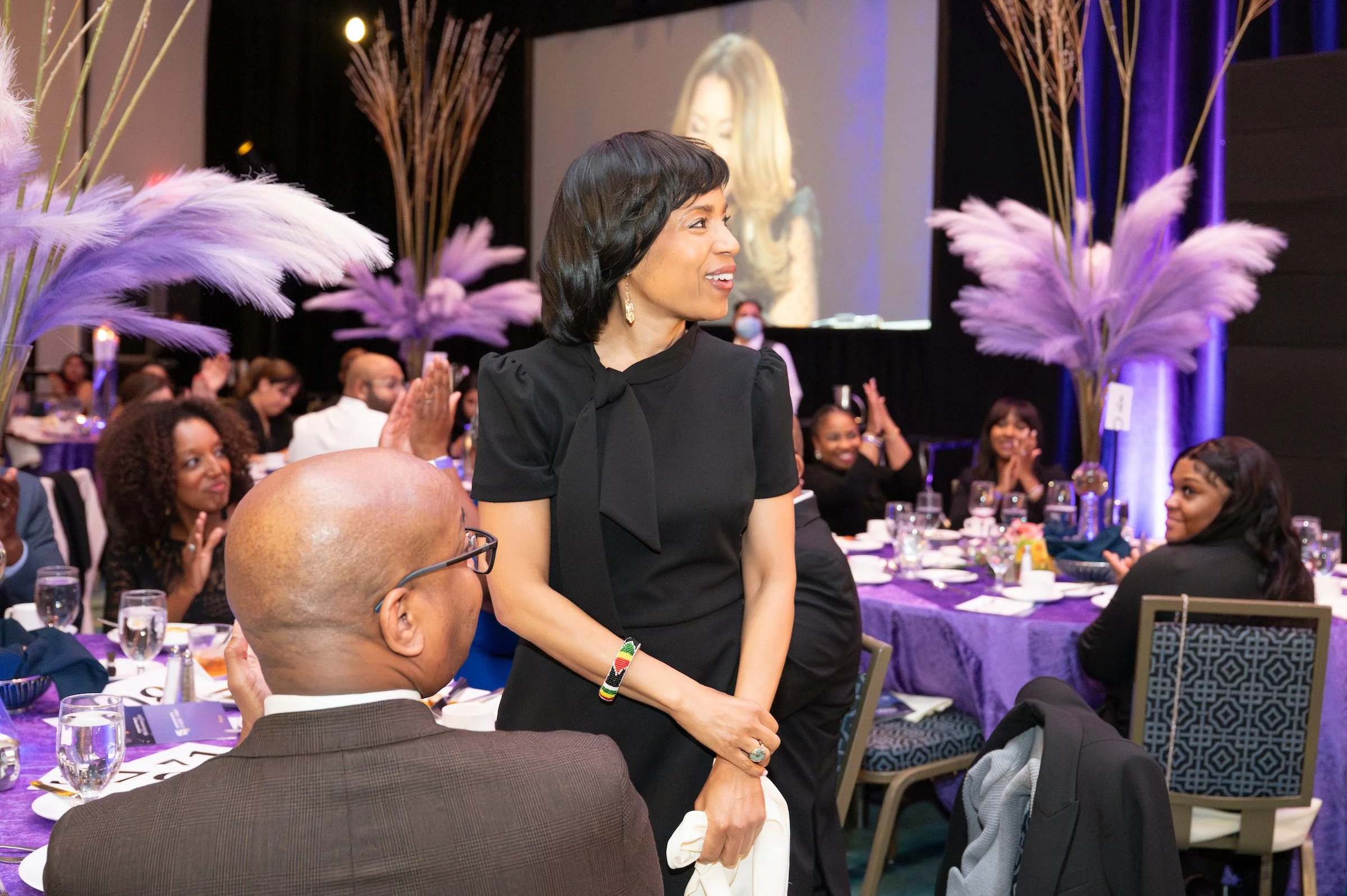
U.S. Senator Angela Alsobrooks rose to a standing ovation at Generation Hope’s 15th Anniversary Gala—a moment that captured what representation in public policy makes possible. On January 3, 2025, she was sworn in as the first Black U.S. Senator in Maryland’s history, marking a historic shift from leadership rooted locally to impact realized nationally.
As we reflect on our 15th year, we honor the many people who have invested in this work over time. Generation Hope exists to advance economic mobility for families, especially families who have experienced longstanding racial barriers and discrimination—historical and ongoing drivers of poverty and oppression. We are helping to build a world where all families are truly free, and representation is central to that work. As a Black-led organization, bringing the people who are most impacted to the table and celebrating hard-won progress has always been part of our history.
If you want to learn more about our priorities for federal and state policy please click here to download our policy agenda:
3. NorthBay Education — On the Water
Photo by Oluwarotimi Ibidapo
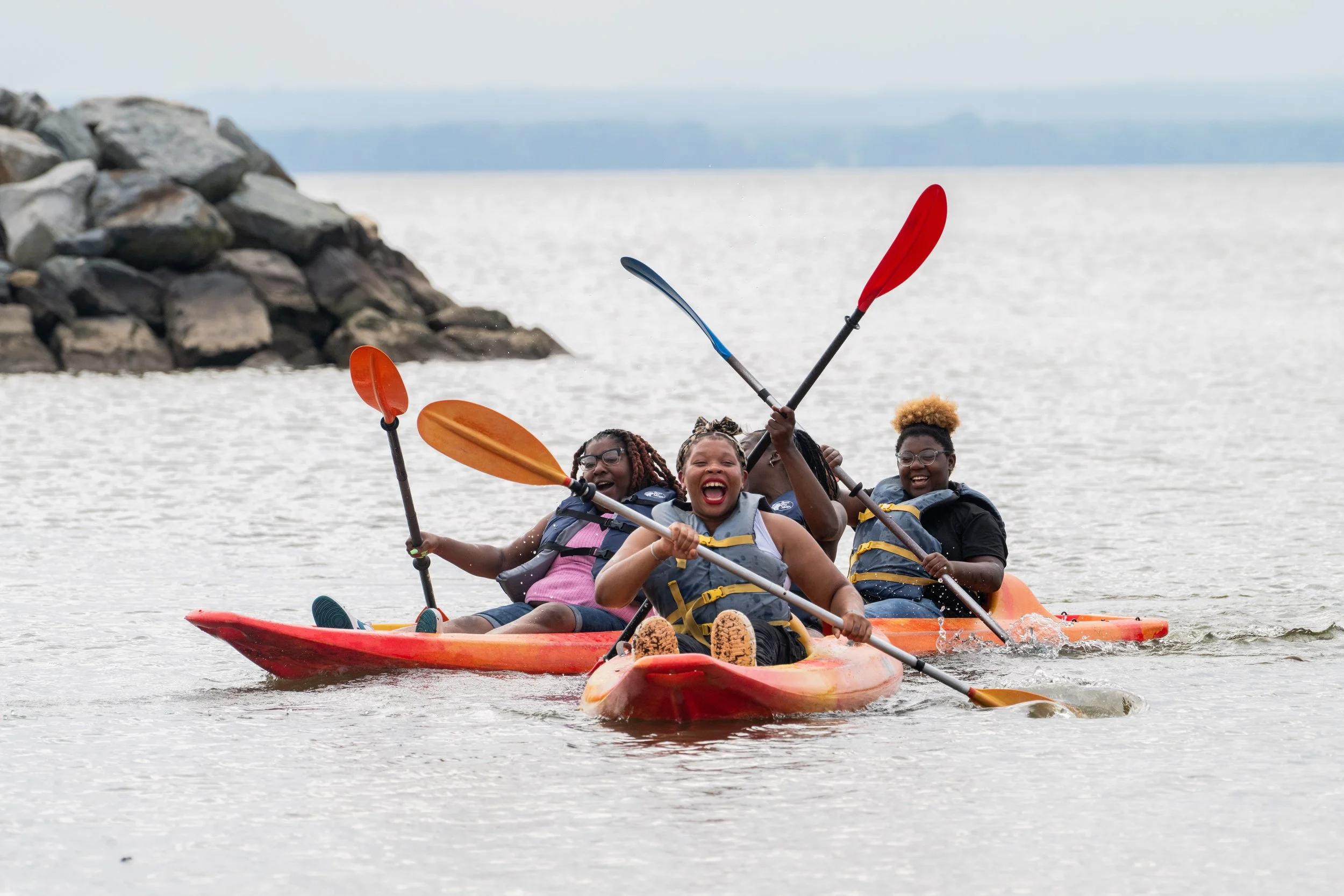
Student parents navigated waters in a challenging year, balancing work, school, and parenting while facing raised concerns within our community and the federal policy landscape. The supportive village created through the Scholar program and the built-in peer connections and shared experiences provide a consistent social and emotional outlet for families.
Kristina Fleming (left), whose story is featured in Founder & CEO Nicole Lynn Lewis’s forthcoming book, “Student Parent: The Fight for Families, the Cost of Poverty, and the Power of College, paddles with fellow Scholars.
To read more about Kristina’s story - click here.
4. A Day of Unreasonable Conversation
Photo by Jay Shepley
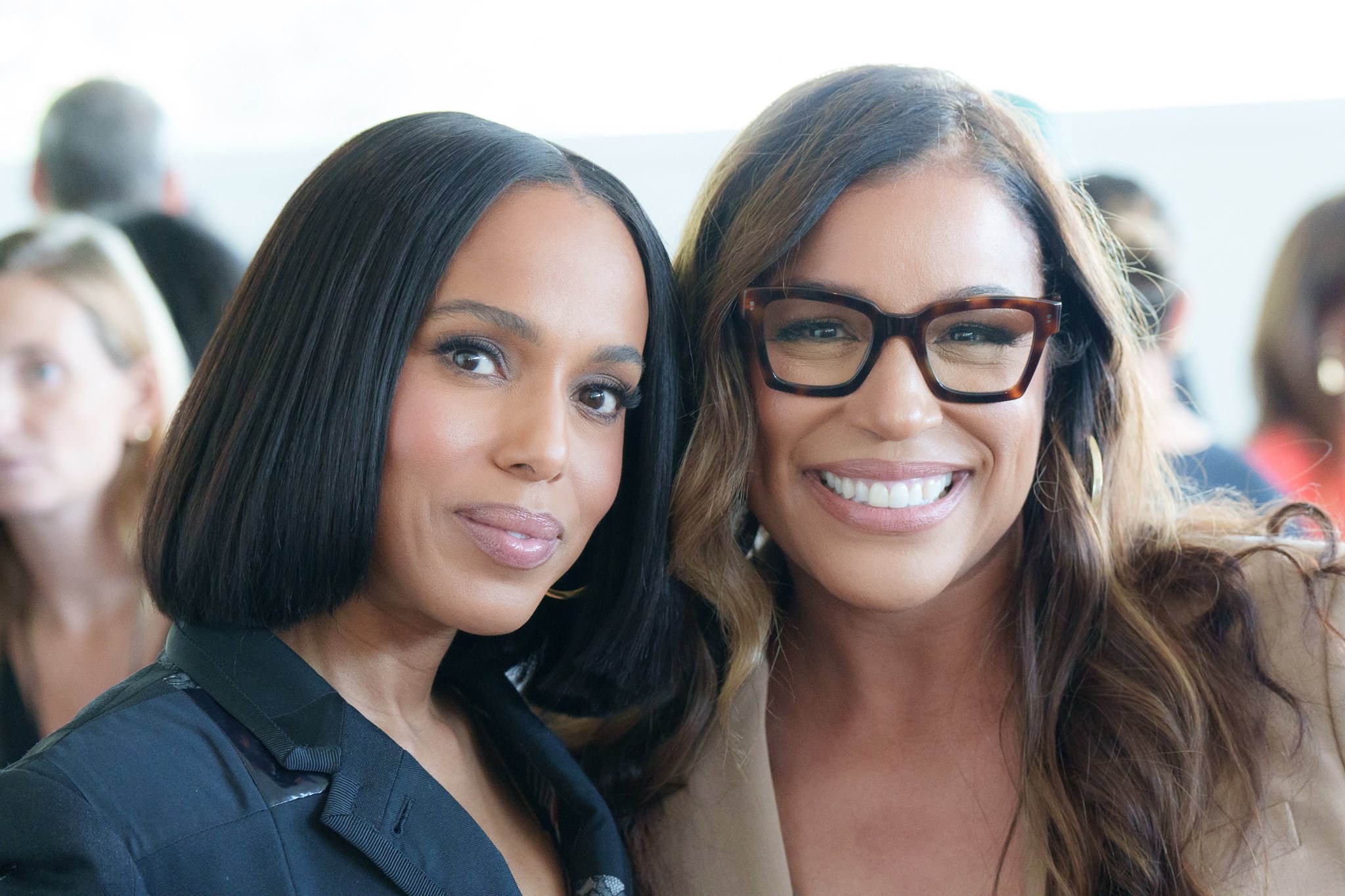
Nicole Lynn Lewis with actor and producer Kerry Washington at the Day of Unreasonable Conversation—an invitation-only gathering convening creators of culture shaping what the country sees next. Now fifteen years into Generation Hope’s journey, student parent stories are increasingly part of national conversations about equity, caregiving, and opportunity. The event was co-chaired by Simpson Street’s Kerry Washington and Pilar Savone, Greg Berlanti and Joseph Gordon-Levitt.
The moment carried added resonance as Washington’s recent film The Six Triple Eight brings long-overdue visibility to Black women whose service and leadership were written out of history. That same absence persists for student parents and caregivers, whose lives are rarely reflected on screen despite representing more than one in five college students nationwide. Nicole appeared on stage with other advocates to share the story of Generation Hope and parenting college students to ensure they are included in TV and film depictions of real families.
Spaces like this create bridges—between lived experience and storytelling power, between policy reality and cultural narrative. We are grateful to Imaginable Futures for helping make room for stories that move systems.
For interested film and TV industry collaborators, please direct any inquiries to: press@generationhope.org
5. Graduation Brunch in D.C.
Photo by Paco Alacid
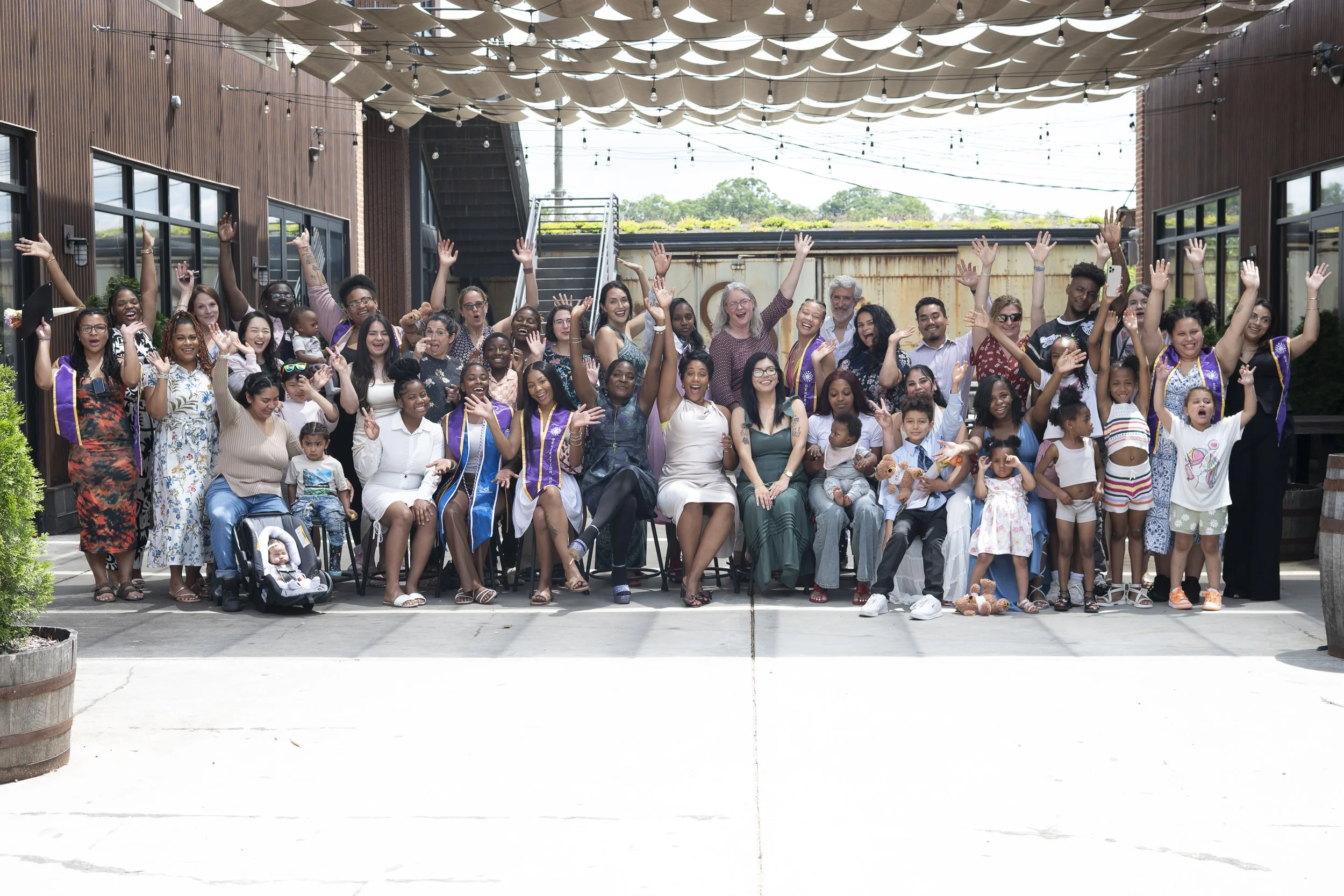
At our 2025 D.C. Graduation Brunch, Scholar graduates celebrated alongside their children, mentors, and community. Some degrees take years to complete, shaped by emergencies, financial strain, and the need for sustained care. With children cheering on their parents, this moment captured Generation Hope’s two-generation approach in action—parents advancing their education while building stability for their families.
In the past year alone, Generation Hope Scholars earned 41 degrees. As we continue to tally December graduates, we can already celebrate more than 250 degrees earned since our founding in 2010—a milestone reached in our 15th Anniversary year.
These moments are made possible by mentors who walk alongside Scholars throughout their college journey. Generation Hope’s individual mentors are matched one-on-one with student parents in the Washington, DC region, Dallas–Fort Worth, and greater New Orleans, providing consistent encouragement, guidance, and belief. Mentors meet monthly, stay connected through regular check-ins, and invest directly in tuition assistance—helping Scholars reach the graduation stage. This combination of emotional support, financial investment, and sustained presence is what turns persistence into possibility.
[Scholar Program applications are open now. Please submit before May 1, 2026. → visit this link.]
6. Graduating NOLA style
Photo by Scarlet Raven
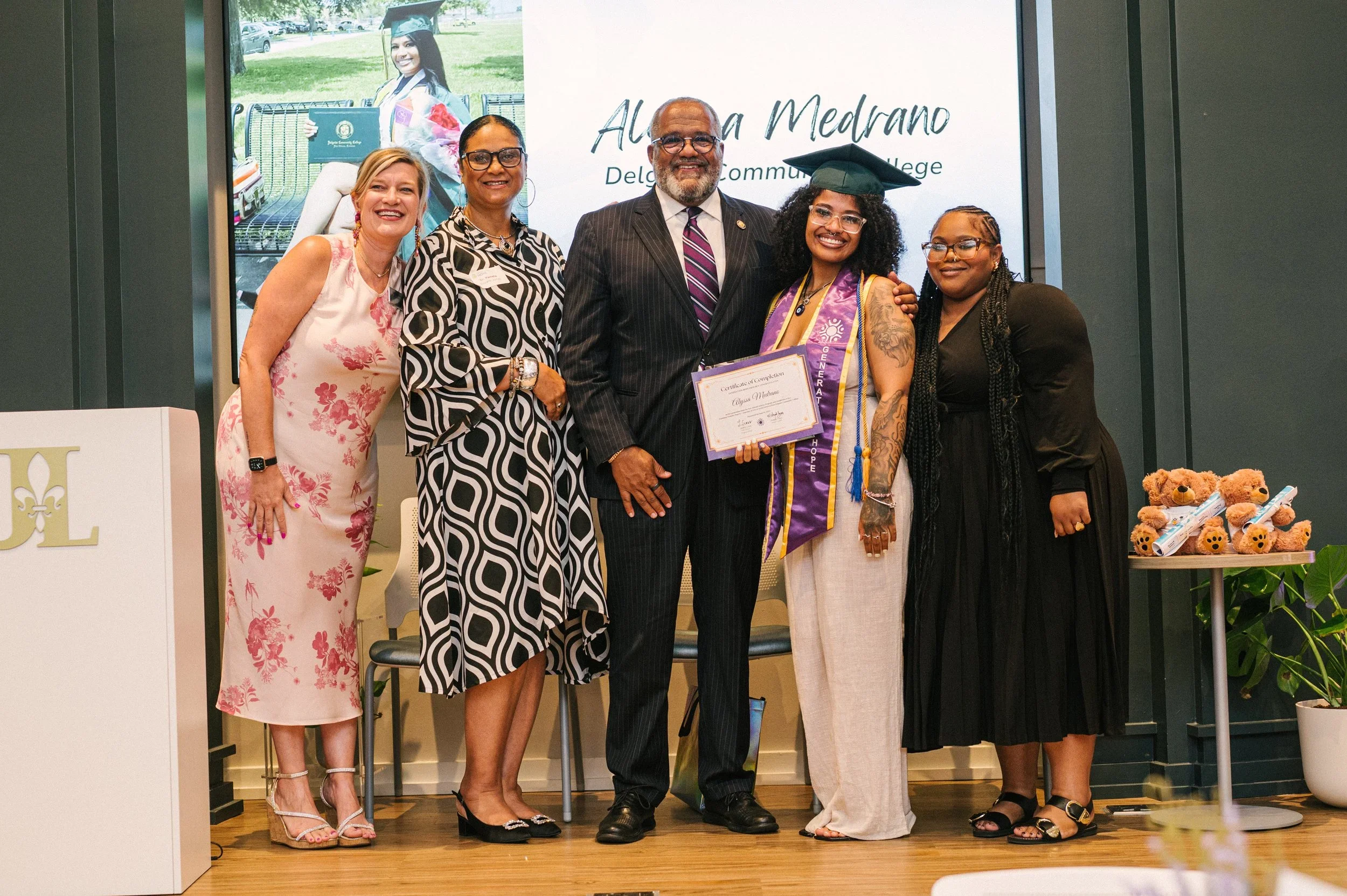
New Orleans Scholar graduates were honored at Generation Hope’s Graduation Banquet, a long-standing Generation Hope tradition that celebrates Scholars earning their degrees. At this moment, Alyssa Medrano, named 2025 New Orleans Scholar of the Year, held her certificate alongside the people who supported her journey.
We were grateful to Congressman Troy Carter for joining the celebration, along with members of our New Orleans Local Advisory Board, whose leadership continues to strengthen this work. Special thanks to Lindsey Cross, Director of New Orleans Programming, and to Malajah Lopez, Alyssa’s Hope Coach, who provided consistent, individualized support—helping Alyssa navigate college, parenting, and key transitions with clarity and confidence.
Beyond this stage, Alyssa represented Generation Hope throughout the year by sharing her story with local and national media and speaking at the NCAN conference, helping elevate the realities of student parents and the systems that shape their paths.
As graduates crossed this milestone, they remained connected through GradConnect, Generation Hope’s Alumni Program, which offers continued support, career guidance, and opportunities to convene.
7. First Mentor Match
Photo by Paco Alacid
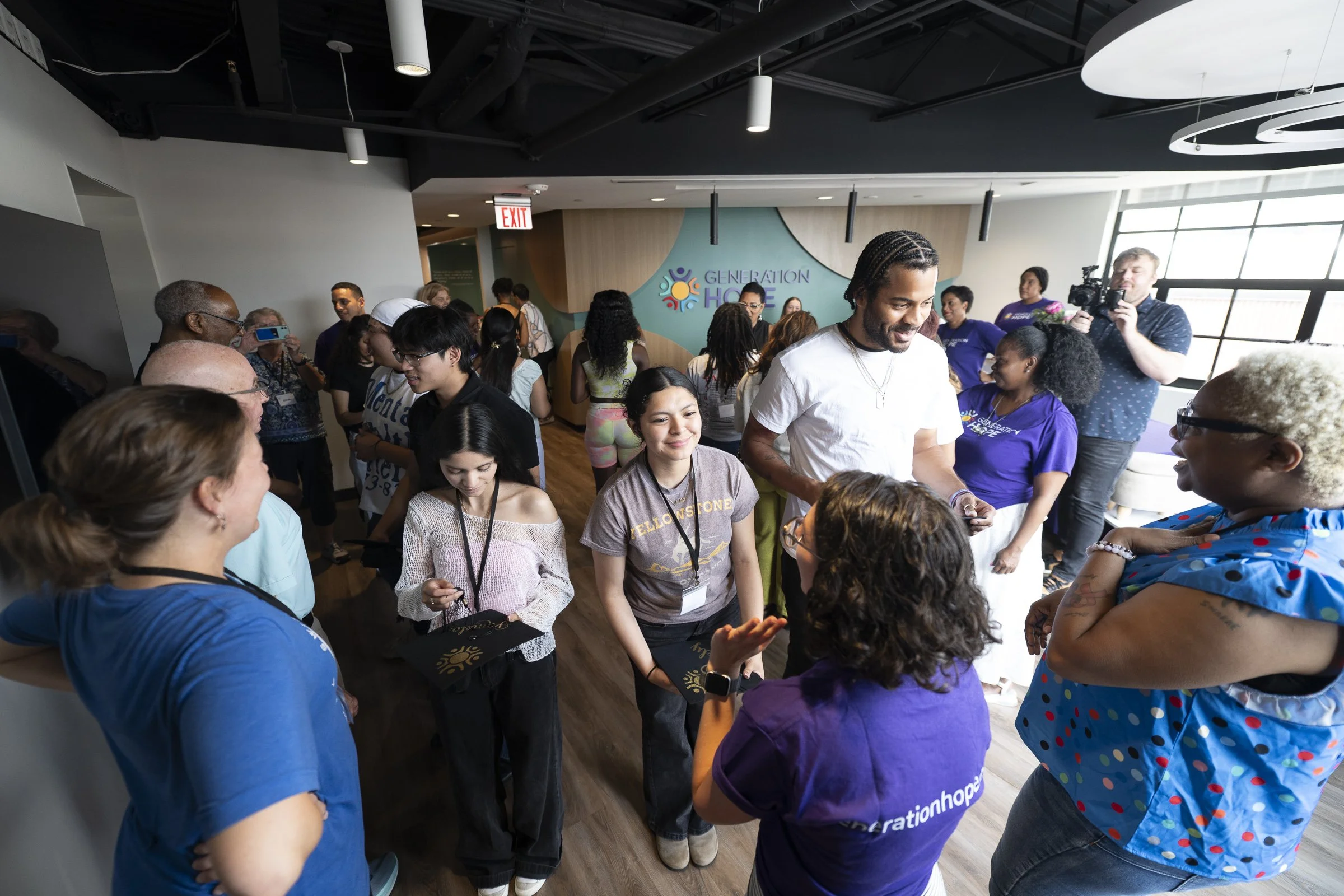
This photo captures the moment D.C. region Scholars met their mentors for the first time. Being seen matters. Support across generations helps make the path forward clearer, especially in a moment defined by rising costs, uneven access to opportunity, and systems that rarely account for student parents.
Across all three Generation Hope sites, this moment has become a tradition. Scholars stand with their backs turned before meeting the mentor who will walk alongside them throughout their college journey. When they turn around, the experience is often emotional. Many Scholars have shared that their mentor is the first person in their life to fully affirm that they are worthy of earning a degree and capable of reaching the finish line.
Mentors show up consistently, offering encouragement, perspective, and belief when challenges arise. Many are parents themselves and often make their monthly meetings a family occasion, reinforcing the idea that education and caregiving can coexist. In a landscape where student parents are frequently overlooked, these relationships help transform isolation into shared purpose.
8. Cox Farms Family Field Trip
Photo by Jay Shepley
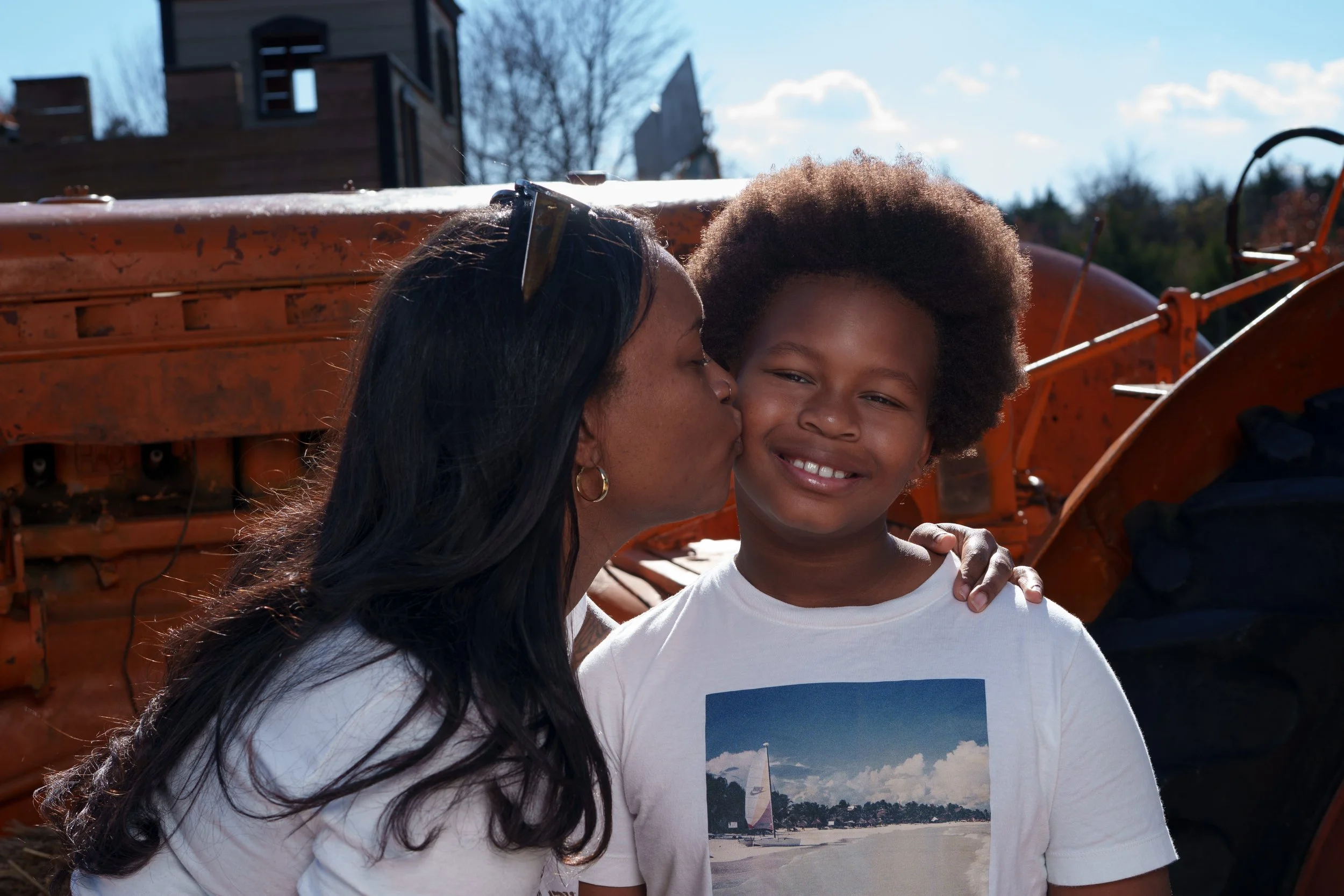
A quiet moment of love during a day centered on family connection. These unguarded moments remind us why this work matters. When parents earn degrees, their children’s futures change. Children of college graduates are 2–3 times more likely to earn a degree—especially meaningful for Black men and fathers navigating systems not built for them.
Our D.C. Scholars gathered for a family field trip filled with hayrides, wide slides, shared meals, and laughter. These outings are designed to bring the community closer and create space for families to simply be together. Each year, we also host a popular family photo session at our field trip, giving families access to professional portraits—often a rare opportunity to mark their journey together.
Generation Hope Scholars pour extraordinary love and care into their children while balancing multiple jobs, night classes, caregiving responsibilities, and, for many, the role of sole provider. Across all three sites, we intentionally create family field trips like this one so families can play, celebrate, and hold unrushed moments—because joy, rest, and togetherness are not extras, but essential to persistence and possibility.
[Donate before December 31 to make a matched gift → donate here.]
9. Hope Corps Robotics
Photo by Raphael Talisman
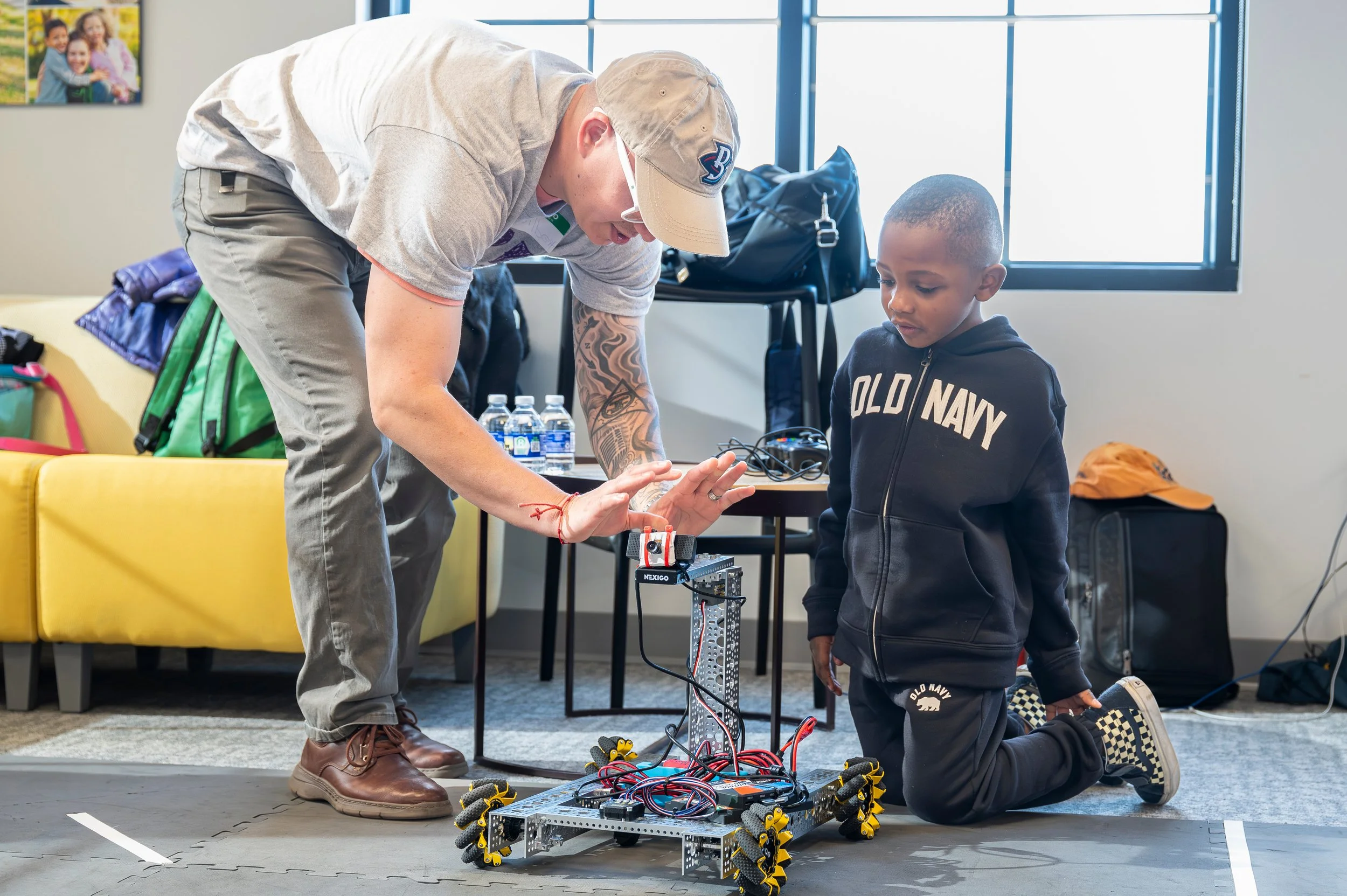
This moment captures the heart of volunteerism at Generation Hope. A volunteer taking time to engage a child so a parent can fully participate in learning, leadership, and community. Our childcare volunteers—known as the Hope Corps—play a critical role in making our programming work by providing safe, fun, and educational care for Scholars’ children during workshops and training.
Through Next Generation Academy, our early childhood program, and across our offices and events, we intentionally create family-inclusive spaces where children are welcome and parents do not have to choose between showing up for themselves and caring for their kids. From kid-friendly features throughout our space to trusted volunteers who center children with respect and attention, we design our work around the realities of the families we serve.
We are currently seeking childcare volunteers to support events in Washington, DC, Dallas-Fort Worth, and New Orleans. When you volunteer with Hope Corps, you help ensure that parents can focus, learn, and lead—because someone they trust is caring for what matters most.
[Click here to learn more about volunteering with Generation Hope.]
10. Career Day in Dallas
Photo by Miracle Sturdivant
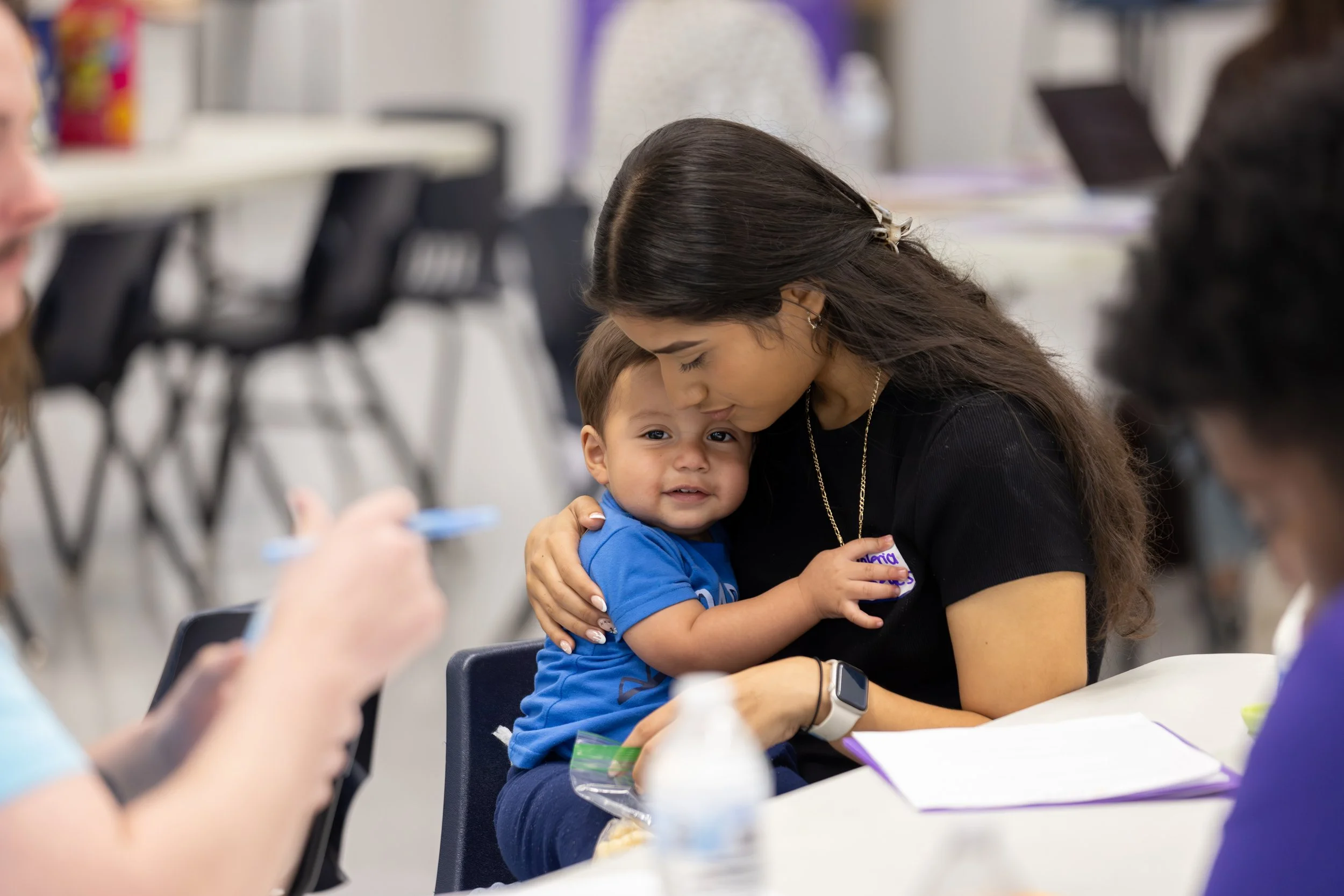
A mother prepares for her future while holding her child during a career readiness session. Her focus and determination reflect the real stakes student parents face in Dallas—building stability for their families while pursuing education and work at the same time.
In 2025, Generation Hope launched its third Scholar Program site in the Dallas–Fort Worth metroplex, expanding our two-generation model to a region with one of the highest teen birth rates among major U.S. cities and a large population of student parents navigating college with limited support. Our inaugural Dallas cohort includes student parents working toward degrees while balancing caregiving, employment, and the cost of living in a rapidly growing region.
Career readiness sessions like this one are made possible through corporate volunteers and community partners who step in to share knowledge, encouragement, and real-world pathways to employment. As Generation Hope grows in Dallas, these moments reflect what it looks like to invest not only in individual students—but in their children and the future of an entire community.
We would like to thank volunteers from Bank of America and Charles Schwab for their service at our Dallas Career workshop.
[Our annual national conference HOPE 2026 is taking place in Dallas - register now]
11. First Dallas Fathers Graduate
Photo by Miracle Sturdivant
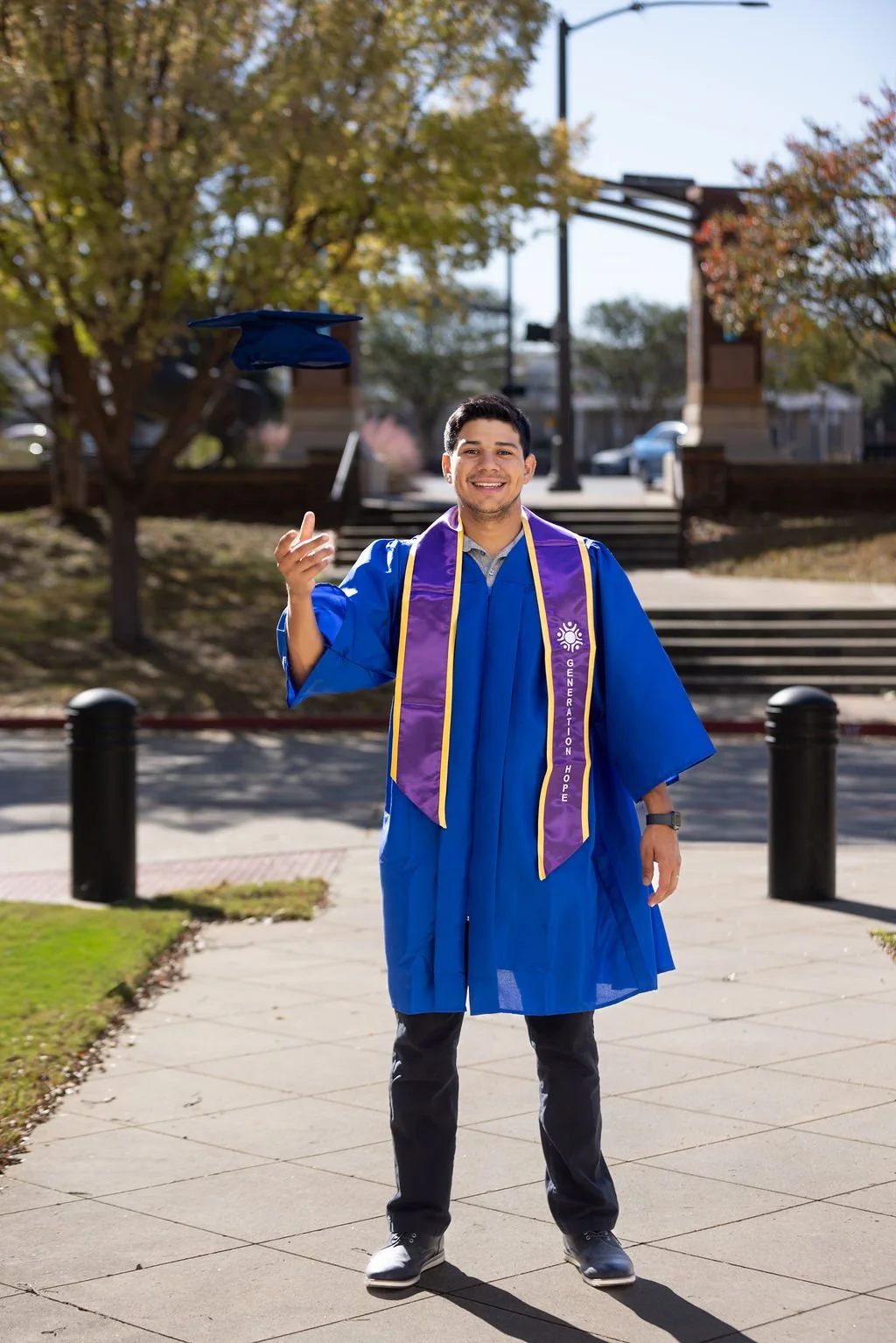
Dallas celebrated one of its first fathers on track to graduate as he marked this milestone with joy, pride, and hard-earned momentum. With his Spring commencement ahead, Marcelo Mendoza’s progress reflects what becomes possible when student fathers are supported to persist—balancing coursework, caregiving, and work while steadily moving toward a degree. He has completed his Associate of Science in Automotive Technology and hopes to continue on to earn a bachelor’s degree in Aviation Mechanics.
Marcelo’s journey also reflects what we heard directly from student fathers in Generation Hope’s EmpowerED Dads report. Fathers are deeply engaged caregivers and leaders in their children’s lives, even as they navigate systems that often overlook or under-support them. Their stories challenge persistent stereotypes and underscore the need for resources designed with fathers in mind.
As Marcelo prepares to officially walk the stage at Dallas College this spring, he also faces an additional barrier: securing a financial sponsor for his visa so he can remain legally in the country and continue his education and career. His experience makes clear that persistence alone is not enough—student fathers are at times navigating immigration, financial, and institutional hurdles at the same time.
When student fathers are supported—academically, financially, and systemically—the impact extends beyond individual success. It strengthens families and reshapes expectations.
12. HOPE 2025 Main Stage
Photo by Raphael Talisman
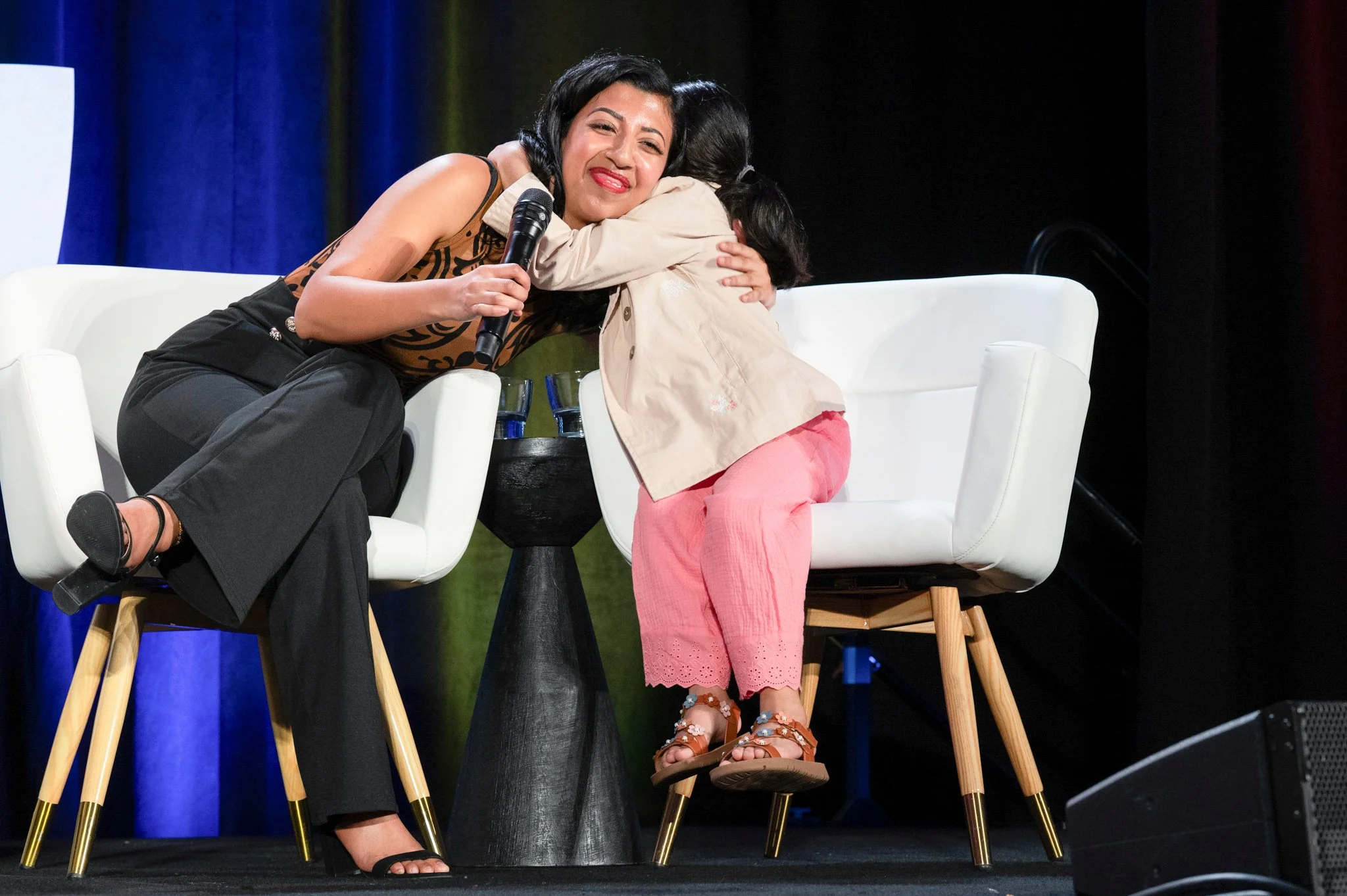
At HOPE 2025, a generational conversation put 15 years of impact into sharp focus. In the session “Student to Legacy: A Generational Story of Hope and Opportunity,” Nicole Lynn Lewis was joined by her daughter, Nerissa, alongside Alicia Price and Rocelyn Alvarado—two student parent leaders shaping what comes next.
The conversation traced the arc from student parent to systems change. Then came a decisive moment: Rocelyn’s daughter gave her a big hug to emphasize a point she made about how proud she was of her mom. The past, present, and future of this work meeting in a single gesture.
It was a reminder that Generation Hope’s impact has never been abstract. It lives in relationships, in proximity, and in the children watching what becomes possible when families are supported—not just to graduate, but to lead. Rocelyn perviously served as a member of our Student Parent Advocacy Alliance, a leadership opportunity for parenting students across the country to play a key role in the development of Generation Hope’s regional and national policy priorities and advocacy efforts.
13. New Orleans Chefs
Photo by Scarlet Raven
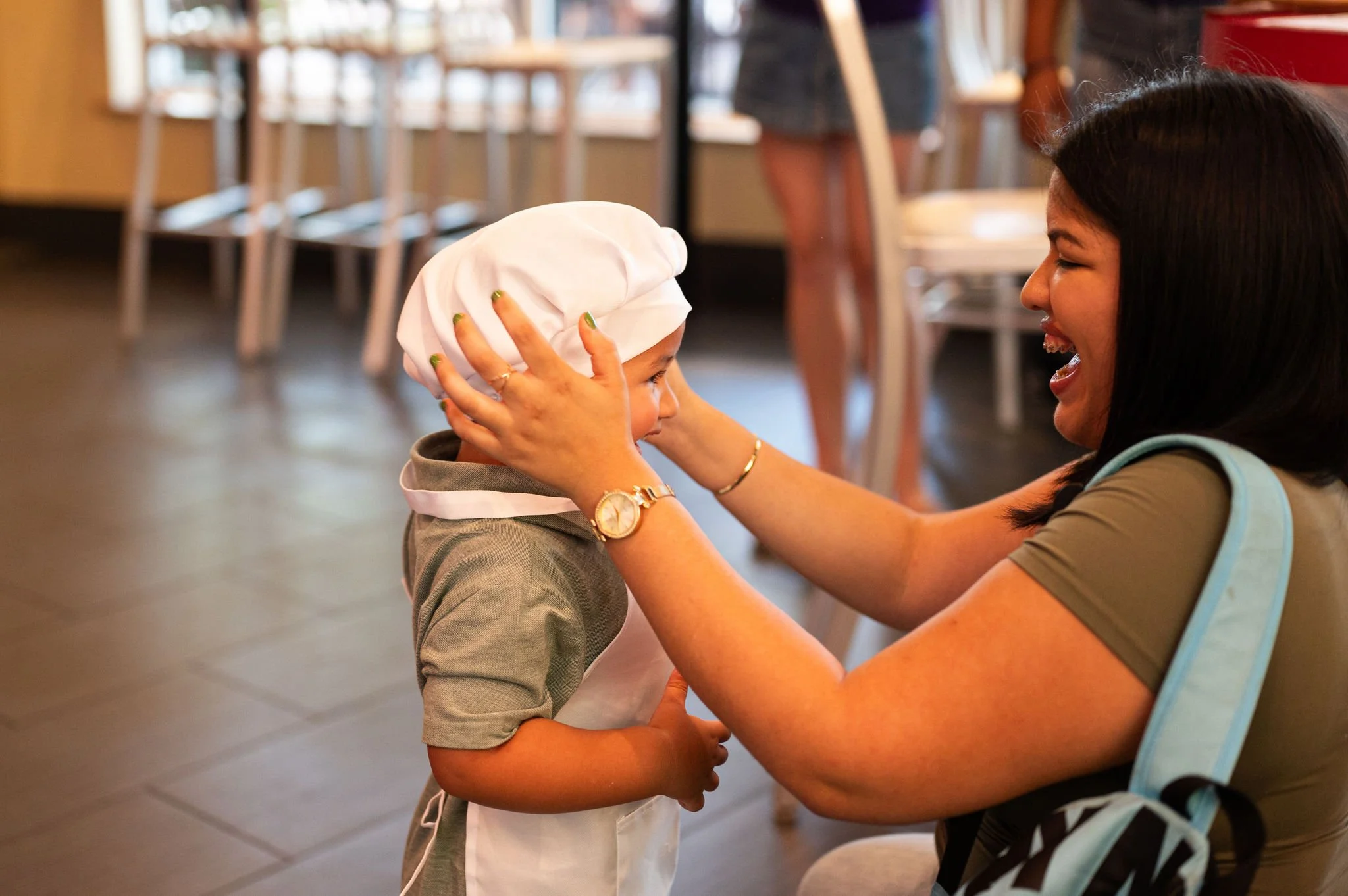
Families gathered in New Orleans for a field trip to Reginelli’s Pizza, where children wore chef hats and made their own pizzas alongside their parents. In New Orleans—and across the country—student parents are navigating food insecurity, housing instability, and higher education systems that too often overlook their realities.
This gathering reflects Generation Hope’s growing presence as we enter a strong second year in New Orleans, grounded in consistency, care, and leadership from within the community. Scholars in this region are pursuing degrees while raising children, working, and managing significant barriers, yet they continue to show up for one another—building accountability, sharing resources, and creating a sense of belonging.
Read more about our work in New Orleans and our Scholar Leadership council here.
14. Summer Day at the Pool
Photo by Scarlet Raven
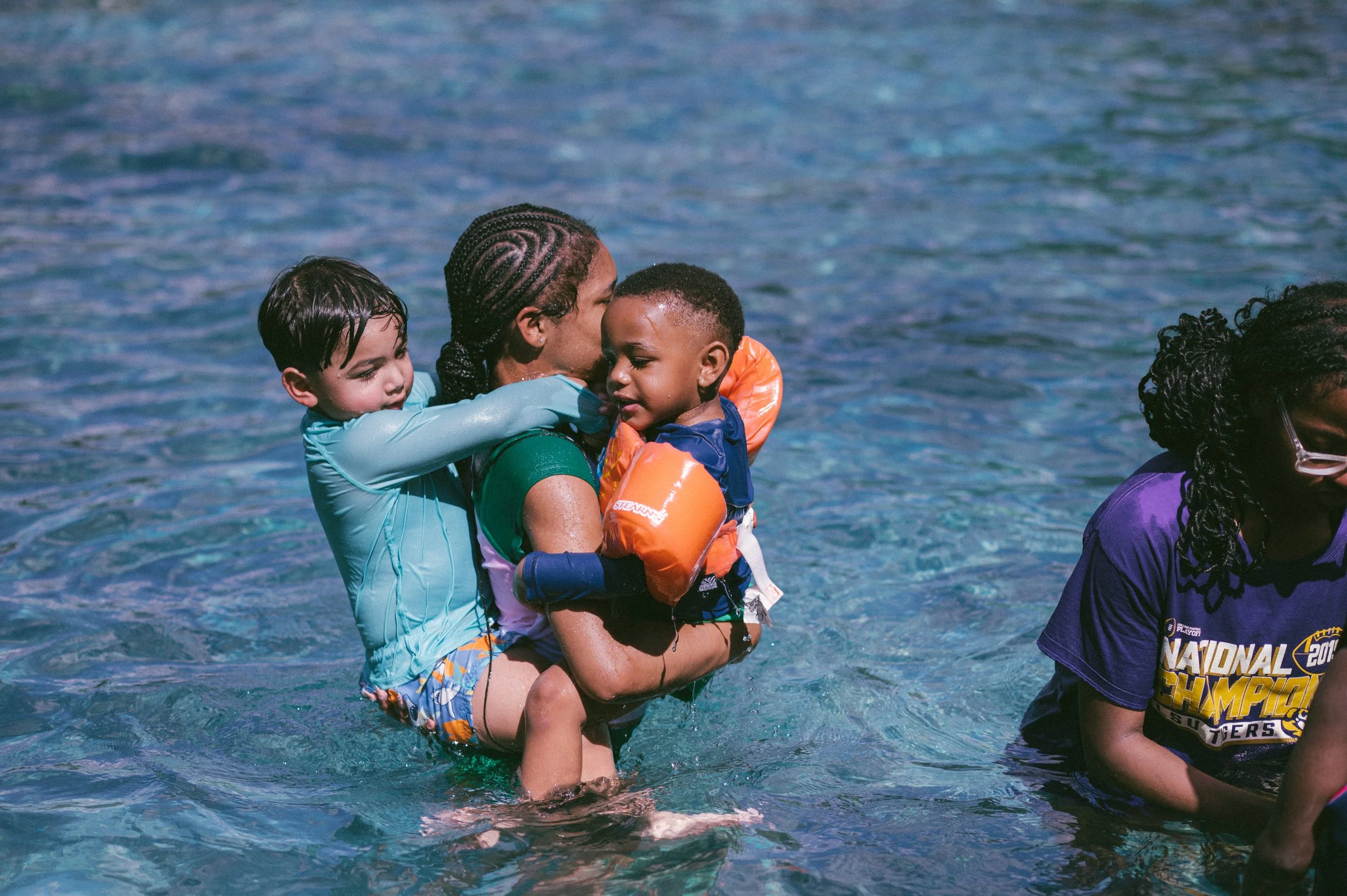
A mother holds her child and a fellow Scholar’s son close during a summer pool day gathering—a moment of care, trust, and shared responsibility. These gatherings are part of Generation Hope’s summer rhythm, when families come together outside of classrooms and deadlines to build connection, rest, and community.
Throughout the summer, Generation Hope hosts field trips, family days, leadership gatherings, and informal moments like this one across our sites. These spaces matter because student parents are often navigating isolation alongside academic pressure, work, and caregiving. Summer events create room for families to exhale, for children to feel safe and seen, and for parents to lean on one another.
This moment reflects how care moves through our community—not just between parents and children, but across families. Holding each other’s children is an act of trust, and trust is the foundation that makes persistence possible.
15. FamilyU Culture Convening — MSU Denver
Photo by Chermetra Keys
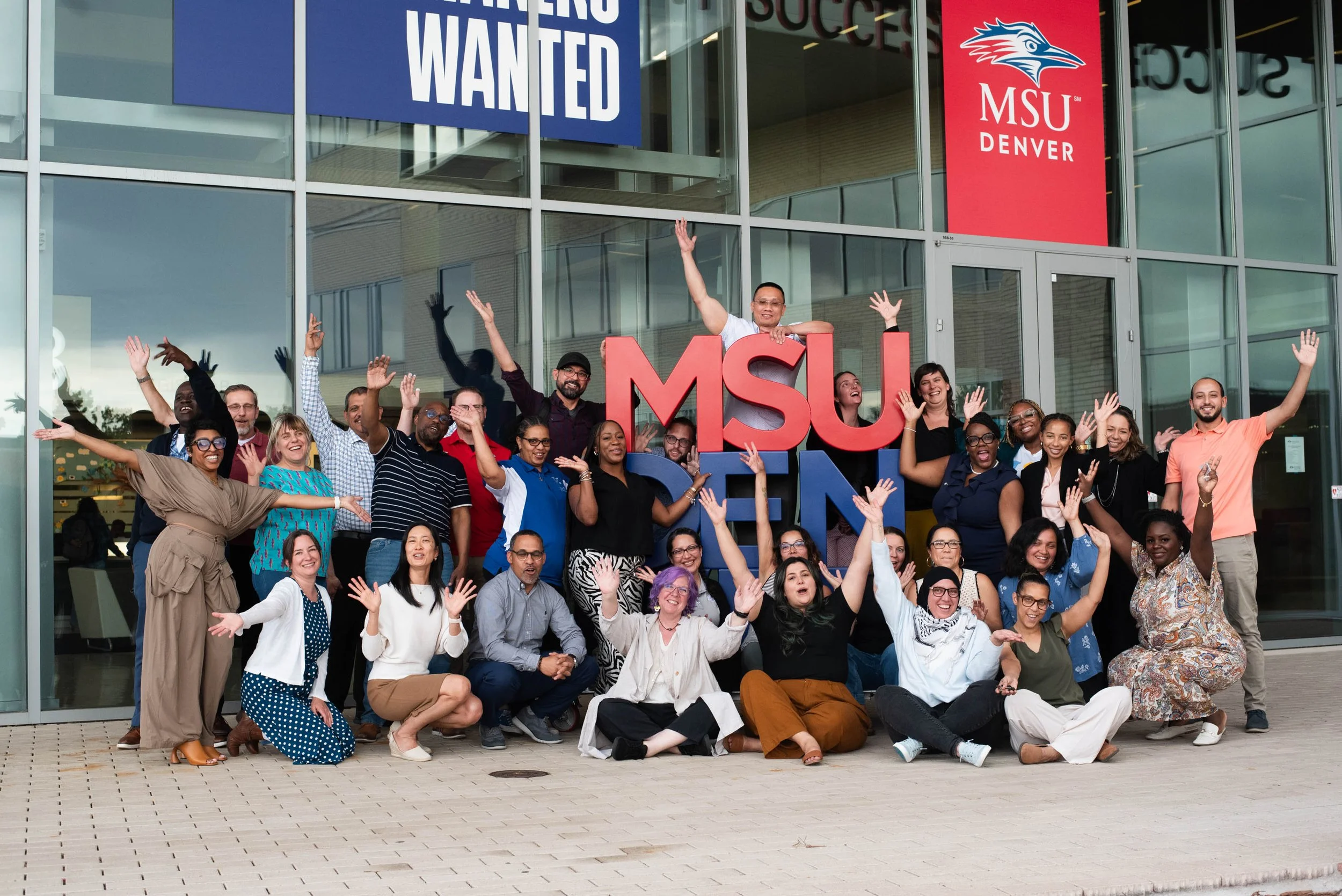
FamilyU Cohort 4 marked the halfway point of their two-year journey in Denver. Student parent Fellows gathered for the first time to share leadership stories, identify common challenges, and learn alongside national experts in student parent success. This convening reflected the core of the FamilyU model—bringing people closest to the work together to lead systems change from the inside out.
The four pillars of the FamilyU model are data, policy, people, and culture. Fellows partner with faculty to engage with evidence and research to understand the scope of student parent needs, translate lived experience into institutional policy change, and reshape campus cultures that have historically excluded caregiving students. The work is practical and relational, grounded in what families actually need to persist.
As this cohort reaches its midpoint, the impact is already taking shape across a growing network of campuses. Through FamilyU, Generation Hope is influencing policies and practices that touch more than 165,000 student parents and their families across participating institutions—expanding access to childcare, financial support, flexible academic policies, and family-inclusive campus environments.
This is what systems change looks like: leaders equipped with data, guided by lived experience, and supported to transform institutions so families are no longer the exception, but the center.
Applications open in January.
[Learn more about FamilyU →]
To make a gift to our Fight for Families campaign and help us reach our $200,000 end-of-year goal to sustain this important work please click here. All gifts are matched now through December 31.
