Her Own Happily Ever After: Black Motherhood, Broken Systems, and Building Our Dreams
From the time a little girl can walk, we’re set on the path toward our happily ever after.
Happily. Ever. After.
That ending can look a myriad of ways — one girl’s happily ever after may be settling in the country with a partner and a growing family, another may be an executive title with a corner office and many girls dream of some combination of the two.
And the road to happily ever after? We’re told it's clear and linear. We graduate from high school. Go to college. Graduate again. Start our professional careers (maybe mix in an advanced degree). Meet someone. Get Married. Have kids. And live…
HAPPILY. EVER. AFTER.
The thing about life is that it’s never linear. And to be honest, a linear journey shouldn’t be the expectation. Life simply doesn’t work that way — especially for those who have less access to opportunity. It is irresponsible to define success in a way that excludes those who were never given access to the road that leads there.
This Black Maternal Health Week, as we mark the theme "Rooted in Justice and Joy," we're sitting with a tension that Black mothers know intimately: what happens to your joy when the systems meant to support you refuse to see you? And what does it cost a woman, mentally and emotionally, when she has to choose between her family and her dreams?
Black women and Black mothers have always defied the odds. Even though existing policy and systems were not built to support them, Black women remain one of the most educated groups in America. And yet, many Black mothers struggle to access higher education, one of the most powerful tools for economic mobility available to them. The gap between the life they are building and the systems meant to support them doesn't just create logistical barriers. It creates a quiet, relentless mental and emotional weight that too often goes unnamed.
52% of all mothers on welfare in the U.S. became parents as teenagers and were never able to overcome countless obstacles to accessing education and opportunity after their child was born (Lewis, Student Parent, 2026).
A different path doesn’t equate to a wrong path nor does it mark someone as undeserving or unworthy of support and access to the tools needed to achieve their dreams. But that is the reality many young Black Mothers face when they become pregnant earlier than they’ve planned.
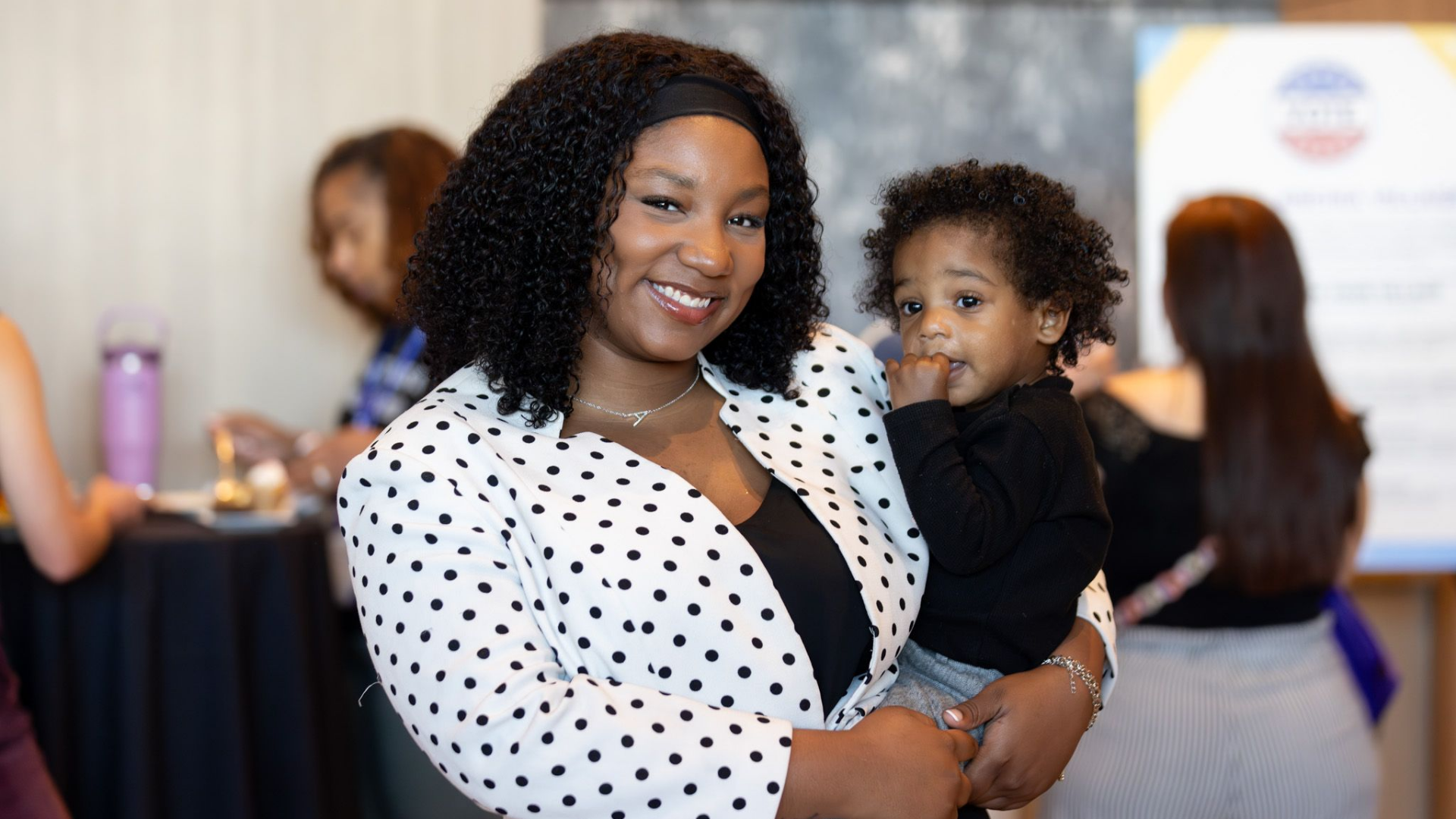
Amari Simmons has experienced that reality firsthand.
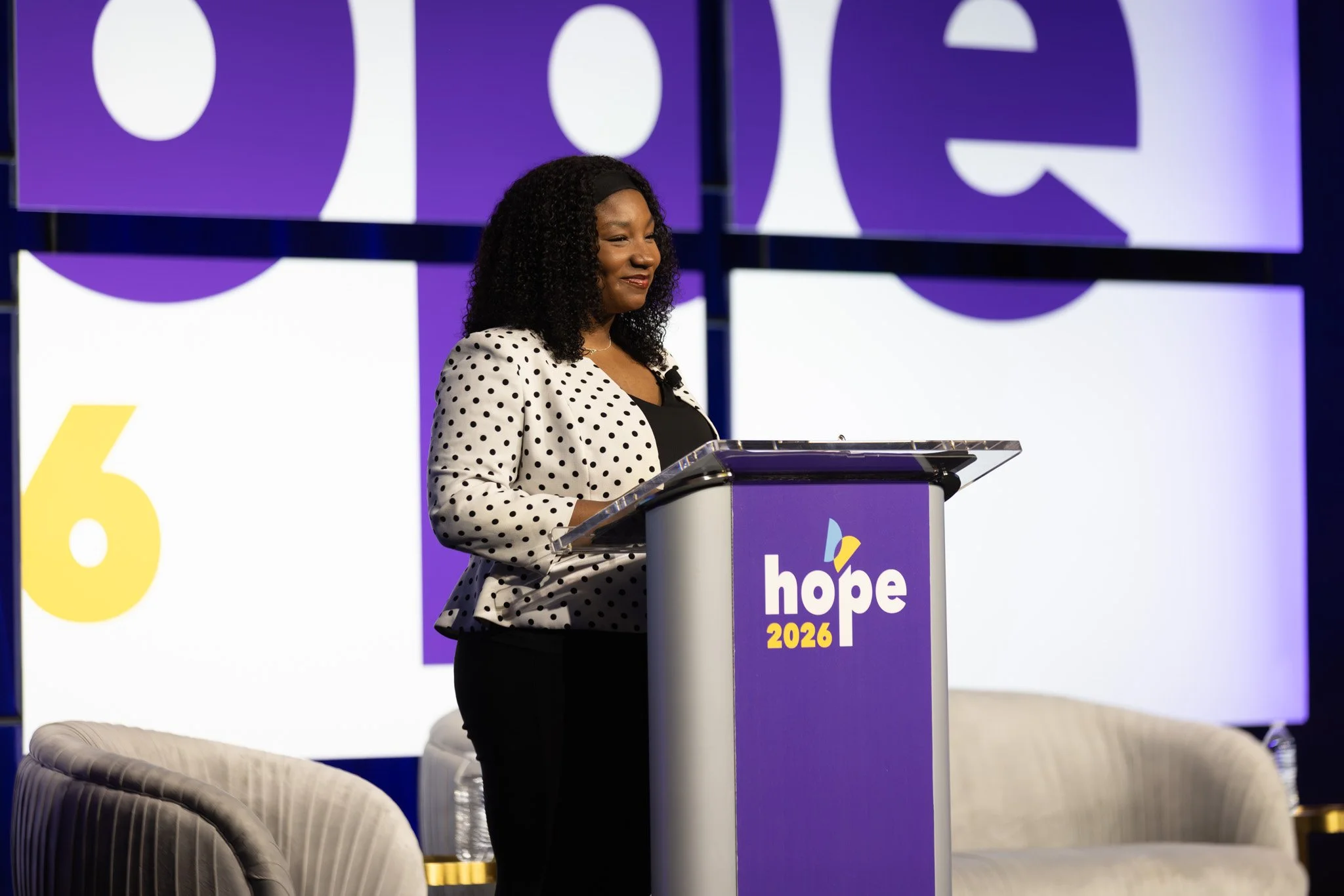
“I wanted my son to grow up watching his mom chase her wildest dreams. One of the hardest parts of that time wasn’t just sitting out of school and parenting. It was learning how to love myself again and rediscover who I was outside of being ‘Legend’s mom’”
— Amari Simmons, Generation Hope Dallas Scholar
In May of 2024, Amari was in the midst of pursuing all she’d dreamed of. She’d just crossed into Alpha Kappa Alpha Sorority, Inc., secured two internships and for the first time, her happily ever after was so close she could touch it. Then, alone in her dorm room, she stared down at two pink lines that she knew would change everything.
What followed was a reality so many mothers know: a clash between the joy of your new child and how you will now pursue the life you’ve dreamed of in a higher education system that no longer sees you.
One in three Black students is a parent and Black women are more likely than women from other backgrounds to be raising children while in college (Lewis, Student Parent, 2026). Despite a large population of student parents enrolled in higher education, their realities are not reflected in the policies of higher ed institutions.
After she found out she was expecting, the barriers came fast. Amari’s first call was to the administration at Prairie View A&M. She wanted to know if online classes were an option so she could continue her education after her son arrived. They were not. Enrolling Legend in daycare would cost over $1000 a month, money she didn’t have. Her family was three hours away in Dallas, too far to rely on for daily childcare. Her parents offered to care for Legend during the week so she could finish her degree and come home on weekends, but once he was born, she knew she couldn’t do it. She couldn’t be that far from him – a sentiment so many new moms can relate to. And the community she had built at Prairie View was slipping away too, as friends who had once been her people found themselves unable to relate to her new reality. In a system that offered her no flexibility or grace, Amari made the painful decision of stepping away from Prairie View A&M University.
And in that stillness came something that doesn't get talked about enough: the grief of losing yourself. Not just the logistical chaos of new motherhood, but the slow disappearance of the woman she had been building. Amari has spoken openly about having to learn how to love herself again and rediscover who she was outside of being "Legend's mom." That kind of identity loss is not a personal failing. For Black women navigating motherhood without systemic support, it is an almost inevitable consequence of being asked to carry everything alone.
The tension between how happy she was to be a new mom to her son, Legend, and how distant she felt from herself and her dreams was felt deeply. There has to be more than this, she thought. Not because she didn't love being a mom, but because she knew she deserved to chase her wildest dreams, and Legend deserved to witness it.
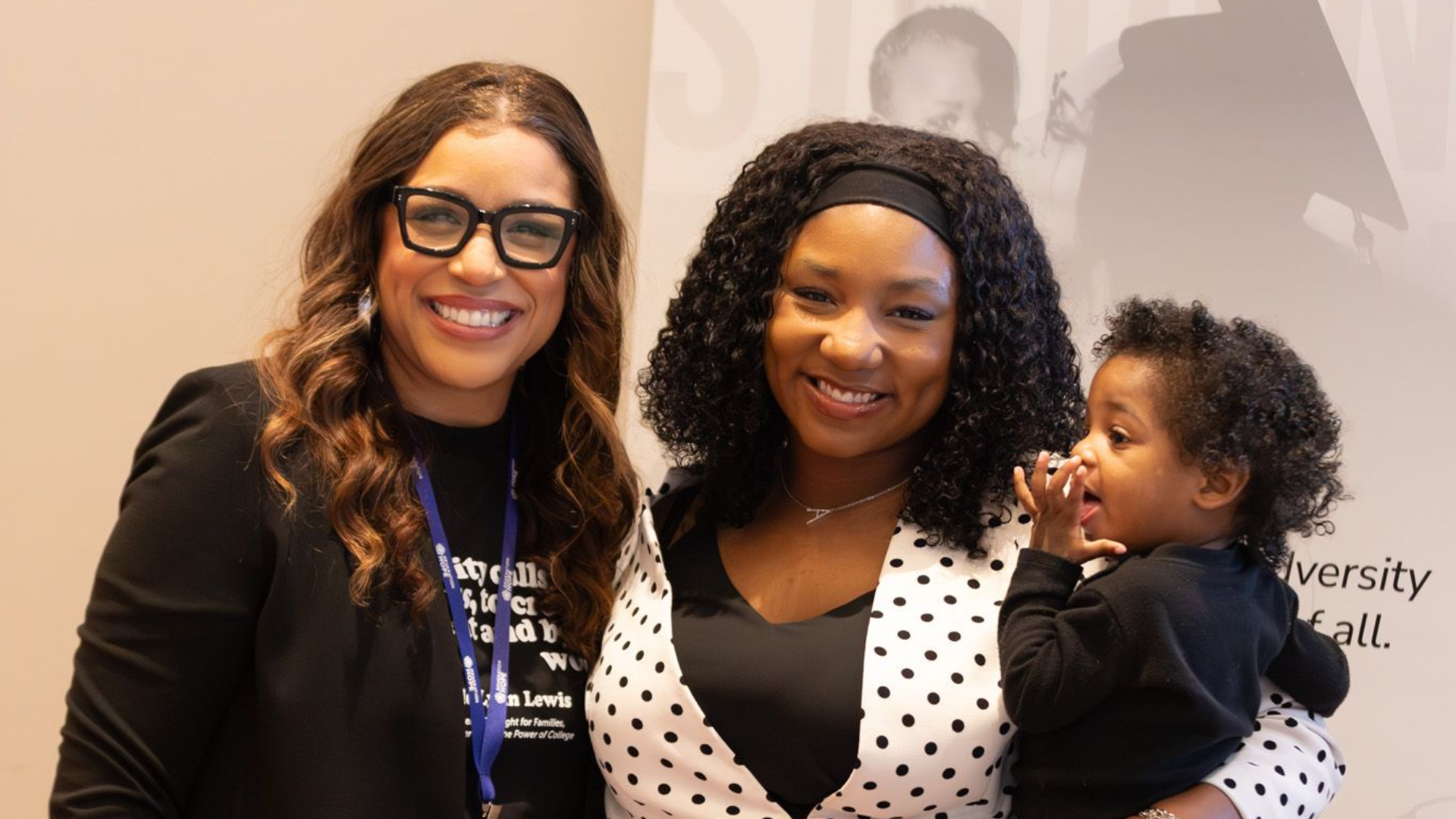
Nicole Lynn Lewis, Founder and CEO of Generation Hope, knows this reality well, through her work but even more deeply through her personal experience.
In 1998, Nicole sat in her room as a senior in high school with her boyfriend as they stared at those same two pink lines, faced with what would become a constant tension between the joy of motherhood and pursuing her justice: her right to access an education that could propel her and her young daughter forward.
She knew that she and her daughter deserved a happily ever after just like any other student. And she knew she wasn't alone in that belief.
Student parents are among the most driven students in higher education, yet they remain among the most underserved. Nearly five million college students today are parents, representing one in five undergraduates. On average, they earn higher GPAs than their peers, yet are ten times less likely to graduate (Lewis, "Student Parent," 2026).
Nicole would go on to attend and graduate from the College of William & Mary, and later founded Generation Hope, where the work is not just about helping student parents navigate the balance between parenting and pursuing their dreams, but about something just as urgent: making the case that student parents, including Black mothers, should never have to disappear in order to survive higher education. That work is documented in her newly released book, Student Parent: The Fight for Families, the Cost of Poverty, and the Power of College, a searing investigation into the systemic forces that keep marginalized parents from accessing the education and economic mobility they deserve.
And Amari? She is a clear example of what happens when student parents get the support they need. She's re-enrolled at the University of North Texas, is seeking her third internship, and is three semesters away from graduation. But perhaps more importantly, she has found herself again. Not just as Legend's mom, but as Amari. A woman with ambitions, a career ahead of her, and a story worth telling. Her happily ever after isn't the linear one she was handed as a little girl. It's better. It's hers. And she's building it for herself, and for the little boy who will grow up watching her chase every big dream.