Ariel Ventura-Lazo and the Strength of Fatherhood
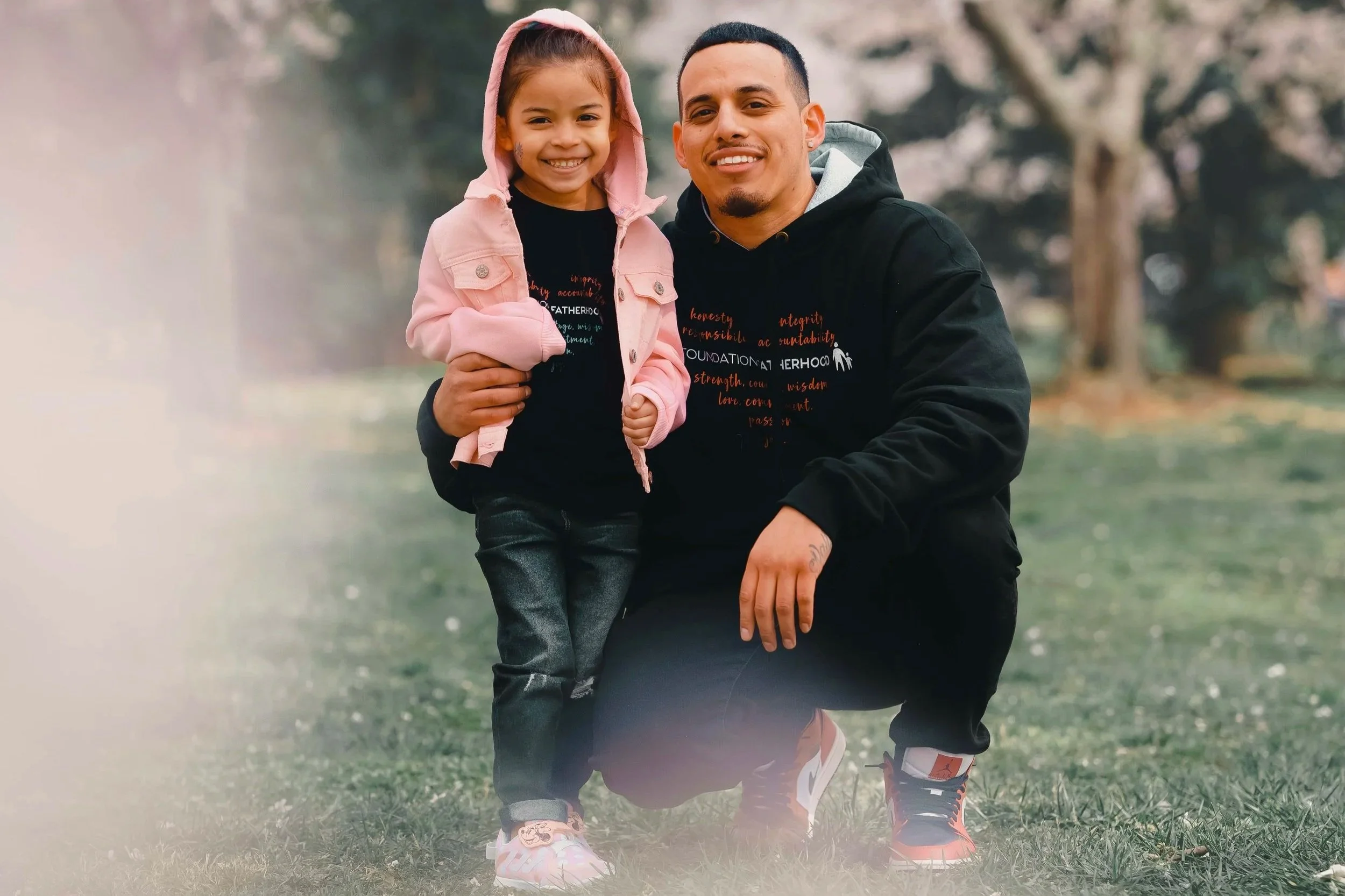
Ariel Ventura-Lazo began his college journey in the fall of 2009. He was not a father yet, but he was a first-generation American and first-generation college student trying to do what so many students do: figure out how to make school work alongside the rest of his life.
For Ariel, that meant working 55 to 60 hours a week while attending college. There were only so many hours to give to both. By the end of his first semester, college was the thing that gave.
Ariel stopped out.
The following year, his life changed again when he became a father. He kept the same full-time job and, for the next several years, focused on working and providing for his family. He never gave up on pursuing his degree, but going back would mean figuring out how college could fit into his life now that he had a family to care for.

By 2014, Ariel was ready to try. But returning to college was going to require a tough choice for Ariel and his family. He had to quit his full-time job. He’d rely on family support, family services, and a work-study job to make room for school. That fall, he also became a Generation Hope Scholar.
It was a different beginning than the one he had imagined five years earlier, and the start of what would become a nine-year journey toward his degree. The lines between student and father blurred constantly all while he figured out the person he wanted to become.
At first Ariel did what he thought he had to – he pushed through. But what he began to understand was that silence costs in more ways than one.
“I think a lot of fathers are taught to stay strong, keep pushing, and suffer in silence,” Ariel says. “I definitely did that. I rarely talked about the stress, the anxiety, or the moments I felt like giving up.”
Being a student did not suspend the responsibilities he felt as a father, and being a father did not make the demands of college disappear. The question of whether he could afford to slow down, ask for help, admit he was overwhelmed, or prioritize his own well-being traveled with him between both. For nine years Ariel navigated the challenges of college, fatherhood, and coming of age all at once.
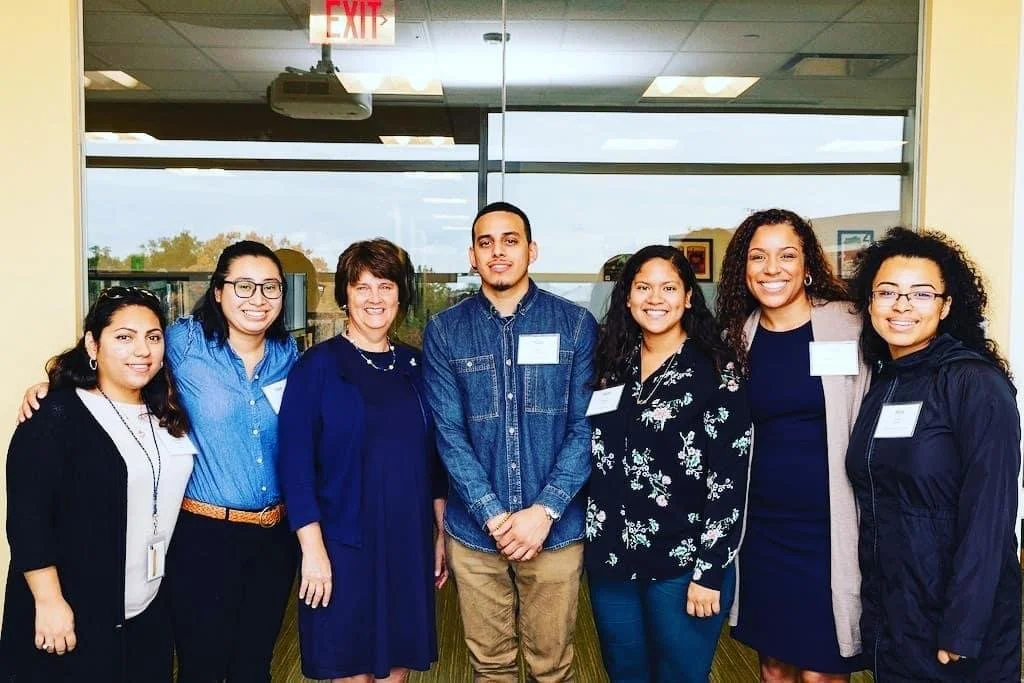
The day Ariel became a Generation Hope Scholar, he encountered something different.
“For the first time, I didn’t feel like I had to figure everything out alone,” he says. “I found a community that believed in me—not just as a student, but as a father.”
Being recognized as both mattered. This support responded not only to whether Ariel remained enrolled or eventually earned his degree, but to the life in which that pursuit was taking place.
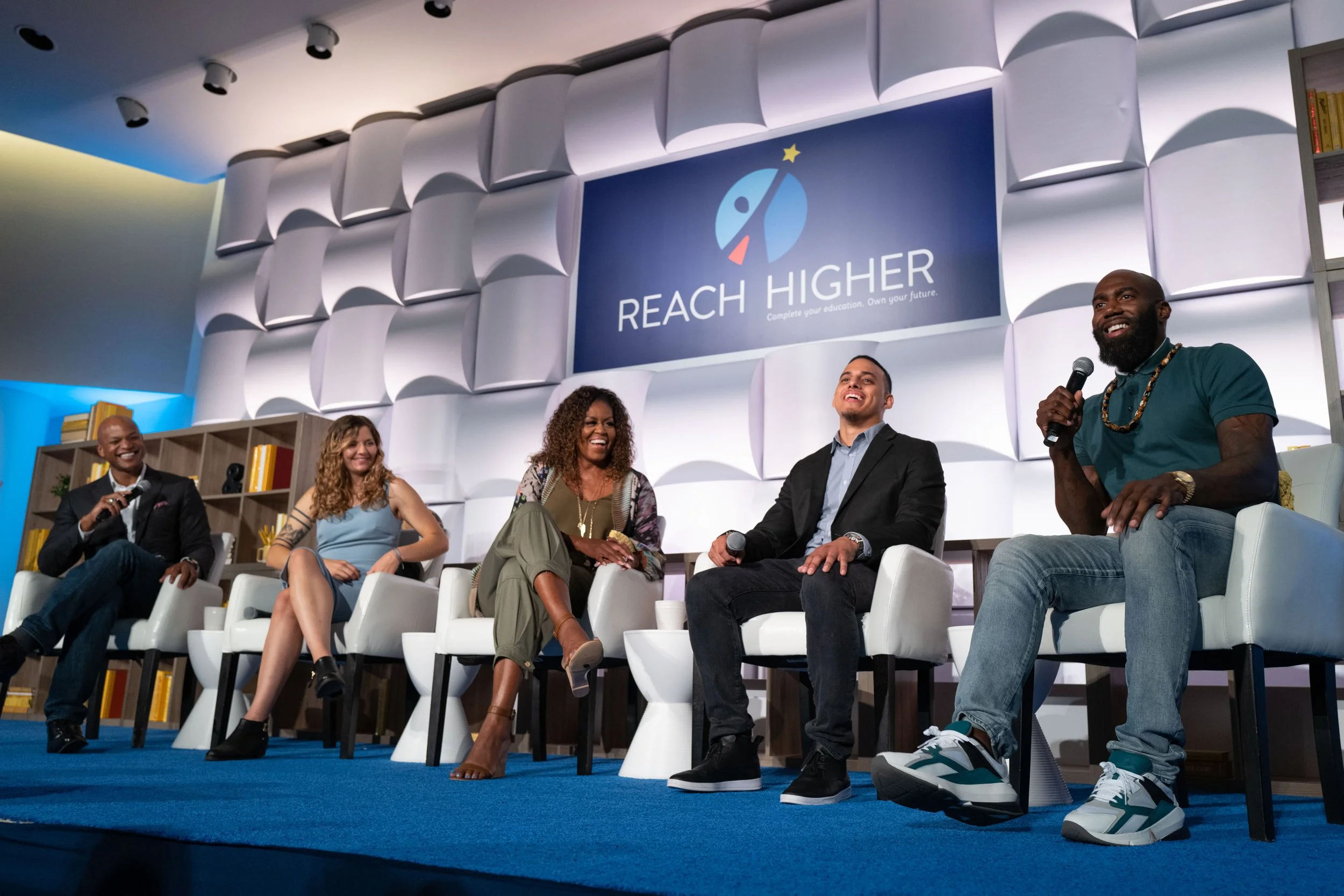
Over the years that followed, Ariel kept finding ways to make that education possible. He earned six additional scholarships outside of Generation Hope, eventually covering the entirety of his community college tuition. He became a part-time Fatherhood Facilitator with the Virginia Department of Health, later serving as a Parent Advisor with Ascend at the Aspen Institute, contributing to work focused on postsecondary success for parents. And his story traveled further. He was featured in The Washington Post, filmed a mentorship segment with Telemundo, and was named a Top 50 finalist for the Global Student Prize among more than 8,000 applicants and worked with Michelle Obama on efforts encouraging first-generation college students to pursue higher education.
None of this made the road to a degree shorter. Ariel was still moving through the same nine-year journey, still a father, still a student, still carrying responsibilities that did not disappear as new opportunities arrived. But in living and being supported through his truth, he was able to provide visibility of and an example for others with shared experiences.
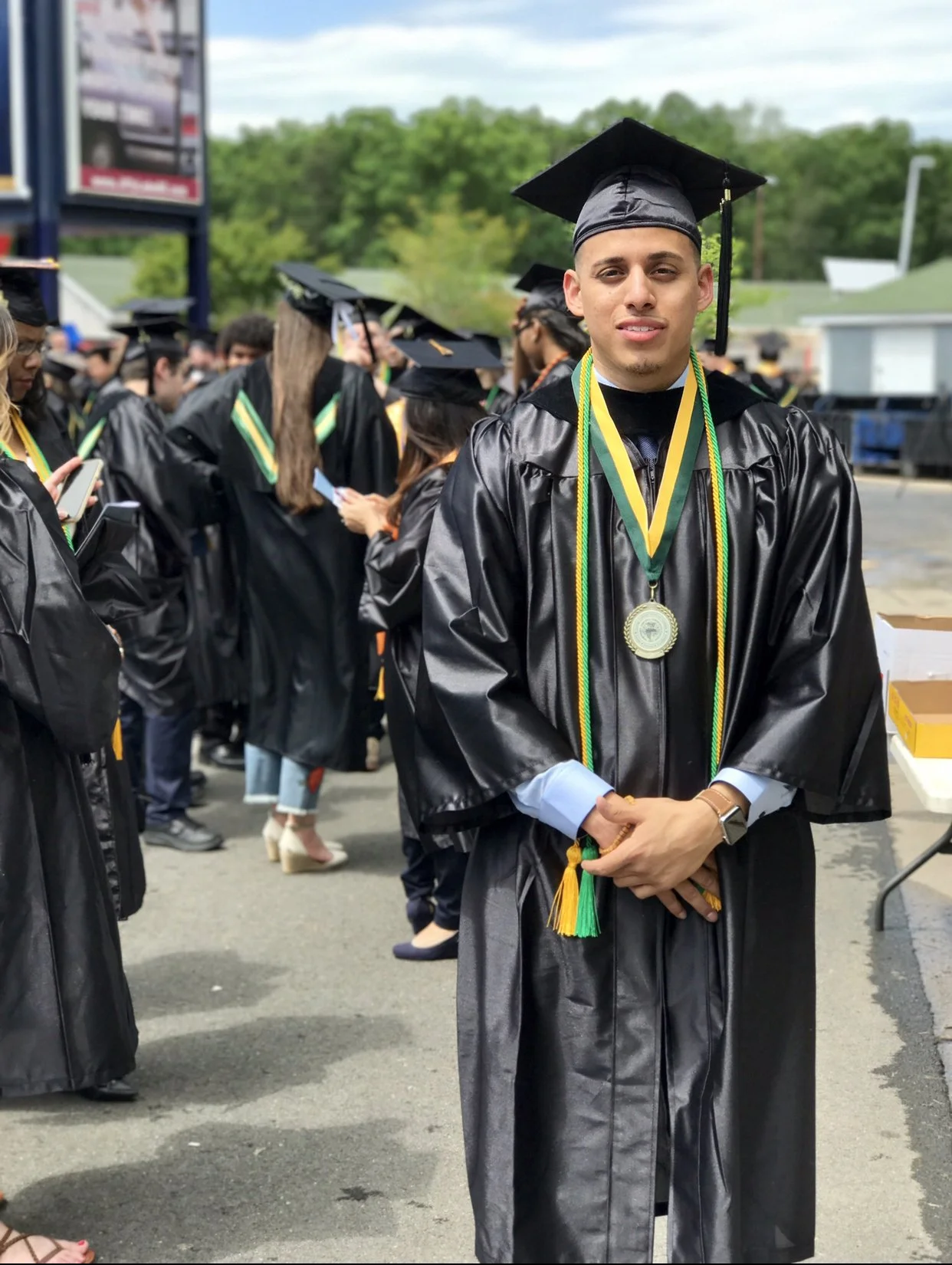
Ariel graduated in 2023, but his journey with Generation Hope would not end there.
Today, Ariel is Generation Hope’s Scholar Program Coordinator in D.C., working with Scholars from a position he once occupied himself. His experience gives him a particular point of connection with the fathers he supports, but even with shared experience he never assumes what another student father needs.
“Every conversation I have with a dad reminds me of where I once was,” Ariel says. “I know what it feels like to carry the pressure of wanting to provide, succeed, and be emotionally present for your children while trying to survive yourself.”
He can recognize that pressure because he has lived it. He can also recognize how much can exist underneath a description two people share.
That distinction matters. Lived experience is valuable because it can change what we know to ask, what we notice, and what we do not assume. Ariel knows firsthand that a father who continues showing up may still be struggling. He knows that needing support and being willing to ask for it are different things. And he knows that understanding someone as a student parent requires remaining curious about the person who exists beyond those two words.
It is also why his conversations with fathers can create room for something he once struggled to give himself.
“One thing I hope more fathers understand is that your well-being matters. Your mental health matters. You don’t have to carry every burden by yourself.”
The term "student parent" gives us language for an experience that higher education has too often failed to recognize – but no group is a monolith. Being categorized as a "student parent" can't give full color to Ariel's experience, to the beliefs he held about what a good father was, the reasons asking for help was so difficult for him specifically. When a classification is not met with depth of understanding and responsive support, it can leave parenting students feeling visible and unseen all at once. Ariel, like many student parents, needed his community not only to see him, but to actively respond to and support him.
Visibility should give us somewhere to go, not somewhere to stop. Once we recognize that someone is raising a child while pursuing a degree, what else are we willing to understand about them – about what support means within their family, culture, community, work, finances, mental health, or sense of themselves? These questions influence how programs are designed, how policies are written, what institutions measure, whose experiences inform decisions, and how student parent success is defined.
At Generation Hope, we ask institutions and systems to recognize that a student does not leave the rest of their life outside the classroom. Centering student parents requires more than identifying who they are. It requires remaining attentive to the many things that shape how they experience education, parenthood, support, and possibility.
Ariel’s story is evidence of what can be accomplished with responsive support. At a moment when he thought he’d have to just push through as, many fathers do, his Generation Hope community showed him that there was a place he could be understood – a place where he didn’t have to stay silent.
Imagine if parenting students across the country could feel the same.